
Surgical procedures are complex and require a highly skilled team of healthcare professionals to ensure successful outcomes. One such integral member of the surgical team is a surgical technologist. In this article, we will explore the role of surgical technologist, their responsibilities, training requirements, and the importance they hold in the healthcare system.
Introduction
Surgical technologists play a crucial role in the operating room by providing essential support to surgeons, nurses, and other surgical team members. Their primary responsibility is to assist during surgical procedures, ensuring that the operating room is well-prepared, sterile, and equipped with all the necessary instruments and supplies.
What is a Surgical Technologist?
A surgical technologist, also known as a surgical technician or operating room technician, is a healthcare professional who works alongside surgeons and nurses in the operating room. They are responsible for preparing the operating room, arranging surgical instruments, and assisting during surgical procedures.
Educational Requirements and Training
To become a surgical technologist, one must typically complete a postsecondary certificate or an associate degree program. These programs are offered by vocational schools, community colleges, and some hospitals. The coursework typically covers anatomy, physiology, medical terminology, and sterile techniques.
After completing the educational program, aspiring surgical technologists may need to obtain certification, which can enhance their job prospects. The National Board of Surgical Technology and Surgical Assisting (NBSTSA) offers the Certified Surgical Technologist (CST) designation.
Duties and Responsibilities
Preparing the Operating Room
Before a surgical procedure begins, the surgical technologist is responsible for setting up the operating room. This includes ensuring that all necessary equipment and supplies are available, sterilizing surgical instruments, and arranging the surgical table and lights.
Assisting Surgeons
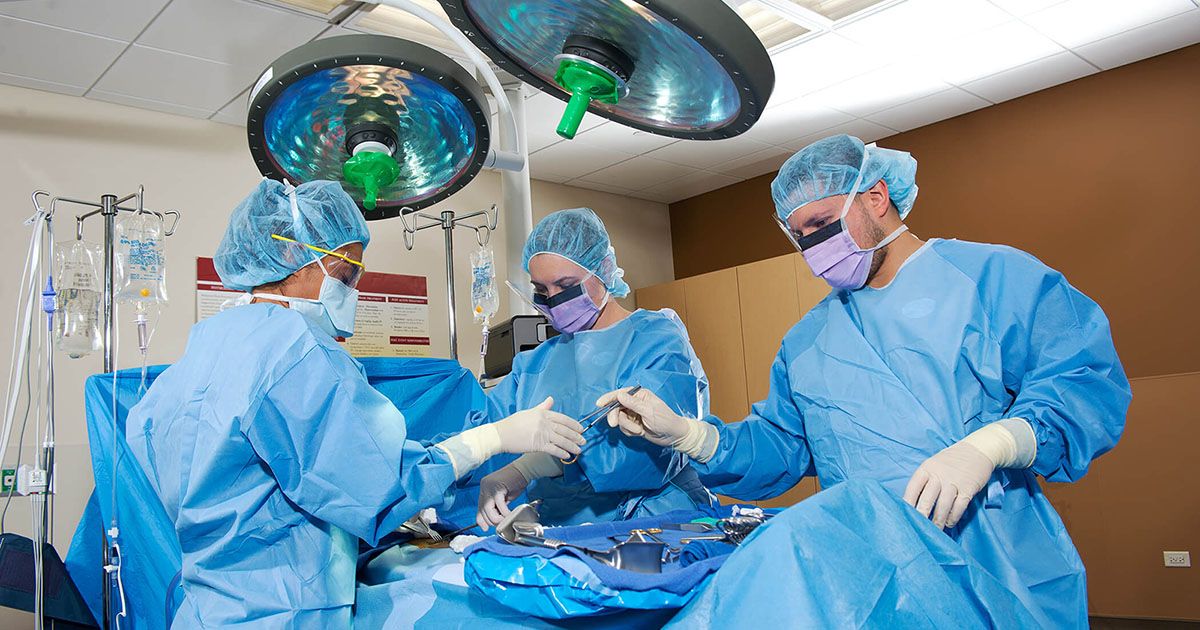
During surgery, surgical technologists assist the surgeons by passing them instruments, sponges, and other necessary items. They must have a good understanding of surgical procedures to anticipate the surgeon’s needs and maintain a sterile environment.
Handling Surgical Instruments and Equipment
Surgical technologists are responsible for handling and organizing surgical instruments, ensuring they are in good working condition. They must have knowledge of various instruments and their specific uses.
Ensuring Sterilization and Safety
Maintaining a sterile environment is crucial in the operating room to prevent infections and promote patient safety. Surgical technologists follow strict protocols for sterilizing instruments, handling hazardous materials, and maintaining a clean operating room.
Specializations within Surgical Technology
Surgical technologists can specialize in specific areas of surgery, such as orthopedics, neurology, cardiovascular, or obstetrics. These specializations allow technologists to develop expertise in specific surgical procedures and work closely with surgeons specialized in those areas.
Importance of Surgical Technologists in Healthcare
Surgical technologists are an essential part of the healthcare team. They contribute to the smooth functioning of surgical procedures by ensuring that the operating room is well-prepared, instruments are readily available, and the surgical team can focus on the procedure without disruptions. Their attention to detail and commitment to patient safety are invaluable in achieving successful surgical outcomes.
Advancements in Surgical Technology
The field of surgical technology has witnessed significant advancements in recent years. From minimally invasive surgical techniques to robotic-assisted surgeries, technological innovations have transformed the way surgeries are performed. Surgical technologists play a crucial role in adopting and implementing these advancements, working closely with surgeons to ensure seamless integration into the operating room.
Career Opportunities and Job Outlook
The demand for surgical technologists is expected to grow in the coming years. With advancements in medical technology and an aging population requiring more surgical interventions, there will be a continued need for skilled surgical technologists. Job opportunities can be found in hospitals, ambulatory surgical centers, and other healthcare facilities.
Challenges and Rewards of Being a Surgical Technologist
Being a surgical technologist can be challenging yet rewarding. The fast-paced and high-pressure environment of the operating room requires technologists to remain focused and adaptable. The satisfaction of being part of a life-saving team and witnessing the positive impact of surgeries on patients’ lives can be incredibly fulfilling.
Conclusion
Surgical technologists play a vital role in the surgical team, contributing to successful surgical outcomes and patient safety. Their responsibilities range from preparing the operating room to assisting surgeons during procedures. With the growing demand for surgical interventions, the role of surgical technologists will continue to be significant in the healthcare industry.
FAQs
- What is the salary range for surgical technologists?
- The salary range for surgical technologists can vary depending on factors such as experience, location, and the employing institution. On average, surgical technologists earn between $40,000 and $60,000 per year.
- How long does it take to become a surgical technologist?
- The educational requirements to become a surgical technologist can be completed in approximately 1 to 2 years, depending on the program and the student’s commitment to full-time or part-time study.
- Is there room for growth in the field of surgical technology?
- Yes, there are opportunities for growth in the field of surgical technology. With experience and additional certifications, surgical technologists can advance to supervisory roles or specialize in specific areas of surgery.
- What are the key skills required to be a successful surgical technologist?
- Key skills for surgical technologists include attention to detail, strong organizational skills, the ability to work well under pressure, good communication skills, and a thorough understanding of surgical procedures and equipment.
- Can surgical technologists specialize in specific surgical procedures?
- Yes, surgical technologists can specialize in specific surgical procedures by gaining experience and additional training in those areas. Specialization allows technologists to develop expertise and work closely with surgeons specialized in those procedures.