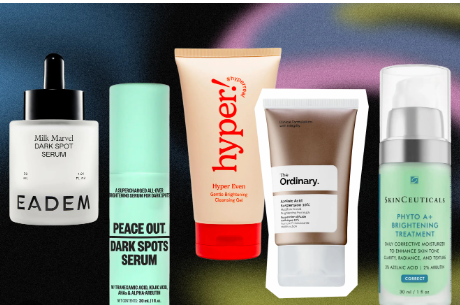

Introduction:
Sun spots, also known as age spots or liver spots, are dark patches that appear on the skin due to prolonged exposure to the sun’s harmful UV rays. These spots can be unsightly and may cause individuals to feel self-conscious about their appearance. Fortunately, there are various skin care products available in the market that can help fade sun spots and even prevent their formation. In this article, we will explore the factors to consider when choosing the right skincare products for sun spots and provide valuable insights to help you make informed decisions.
Understanding Sun Spots
Before delving into the selection of skin care products, it is essential to understand what sunspots are and how they form. Sunspots are a form of hyperpigmentation caused by the overproduction of melanin in the skin. Melanin is the pigment responsible for giving color to our skin, hair, and eyes. When the skin is exposed to excessive UV radiation, melanocytes (cells that produce melanin) can become overactive, leading to the formation of dark spots.
What Causes Sun Spots?
Sunspots are primarily caused by prolonged exposure to the sun’s UV radiation. Other contributing factors include:
- Age: Sun spots are more common in individuals over the age of 40 due to cumulative sun exposure over the years.
- Skin Type: People with fair skin are more susceptible to sun damage and are prone to developing sun spots.
- Genetics: Some individuals may be genetically predisposed to developing sunspots.
- Hormonal Changes: Hormonal fluctuations, such as those during pregnancy or while taking certain medications, can increase the risk of developing sun spots.
Differentiating Sun Spots from Other Skin Conditions
It is crucial to differentiate sun spots from other skin conditions to ensure proper treatment and product selection. Sunspots can resemble other skin issues, including:
- Freckles: Freckles are smaller, lighter brown spots that are often genetic and can darken with sun exposure.
- Melasma: Melasma is a condition characterized by larger patches of brown or gray-brown discoloration on the face. It is often triggered by hormonal changes and sun exposure.
- Skin Cancer: While sun spots are generally harmless, it is important to monitor any changes in size, shape, or color. If you notice any suspicious changes, it is advisable to consult a dermatologist for evaluation.
Factors to Consider When Choosing Skin Care Products for Sun Spots
1. Skin Type and Sensitivity
Everyone’s skin is unique, and different products may work better for specific skin types. When choosing skin care products for sun spots, it is essential to consider your skin type and sensitivity. Here are some general guidelines:
Dry Skin:
Look for moisturizing ingredients like hyaluronic acid, glycerin, and natural oils to prevent further dryness and nourish the skin.
Oily Skin:
Opt for lightweight, non-comedogenic formulas that won’t clog pores and lead to breakouts.
Sensitive Skin:
Choose products labeled as hypoallergenic and fragrance-free to minimize the risk of irritation.
2. Ingredients that Target Sun Spots
Certain ingredients have been proven effective in fading sun spots and improving overall skin tone. Look for the following key ingredients in your skin care products:
Vitamin C:
As a potent antioxidant, vitamin C helps reduce the production of melanin, leading to a brighter complexion. It also aids in collagen synthesis, promoting skin rejuvenation.
Retinoids:
Derived from vitamin A, retinoids increase cell turnover, helping to fade sun spots and reduce the appearance of fine lines and wrinkles.
Hydroquinone:
This skin-lightening ingredient inhibits the production of melanin, effectively fading sun spots. However, it should be used with caution and under the guidance of a dermatologist, as it may cause skin sensitivity in some individuals.
3. SPF Protection
To prevent further sun damage and the formation of new sun spots, it is crucial to incorporate SPF protection into your daily skincare routine. Look for broad-spectrum sunscreens with an SPF of 30 or higher. Broad-spectrum sunscreens protect against both UVA and UVB rays, reducing the risk of sunburn and skin damage.
4. Product Formulations
Skin care products for sun spots come in various formulations, including serums, creams, lotions, and masks. Consider your personal preferences and lifestyle when choosing the right formulation:
Serums:
Serums are lightweight and absorb quickly into the skin, making them ideal for layering under moisturizers or makeup.
Creams and Lotions:
Creams and lotions provide hydration and can be used as a standalone product or combined with other treatments.
Masks:
Sheet masks or overnight masks offer an intense treatment for targeted areas of hyperpigmentation.
5. Reviews and Recommendations
Reading reviews and seeking recommendations from trusted sources can provide valuable insights into the effectiveness of different skin care products. Look for reviews from individuals with similar skin concerns and conditions to gain a better understanding of the product’s performance.
6. Price Range
Skin care products for sunspots vary in price, and it is essential to establish a budget that suits your needs. While high-end products may offer luxurious textures and additional benefits, there are also affordable options available that can deliver excellent results.
FAQ!
1. Can sun spots be completely removed?
While it may be challenging to completely remove sun spots, using the right skincare products can help fade their appearance and prevent new ones from forming. Consistent and long-term use of targeted treatments can lead to significant improvements.
2. Are there any natural remedies for sun spots?
Some natural ingredients, such as lemon juice, apple cider vinegar, and aloe vera, are often suggested as home remedies for sun spots. However, it is important to note that these remedies may not have scientific evidence to support their effectiveness, and they can sometimes cause skin irritation. It is best to consult with a dermatologist before trying any home remedies.
3. Can I use multiple skin care products for sun spots simultaneously?
Layering different products can be beneficial, but it is important to ensure that the ingredients are compatible and do not cause skin irritation. Consider consulting with a dermatologist or following the instructions provided by the product manufacturers for the best results.
4. How long does it take to see results from skin care products for sun spots?
The time required to see noticeable results can vary depending on the severity of the sun spots and the specific product being used. Generally, it can take several weeks to a few months of consistent use to see significant improvements.
5. Should I consult a dermatologist before using skin care products for sun spots?
If you have any concerns about your skin or are unsure about which products to use, it is always recommended to consult a dermatologist. They can assess your skin condition, provide personalized recommendations, and suggest suitable treatments.
6. Can sun spots reappear after treatment?
Even after successful treatment, sun spots can reappear if proper sun protection measures are not followed. It is crucial to use sunscreen daily, seek shade, wear protective clothing, and avoid prolonged sun exposure to maintain the results.
Conclusion:
Choosing the right skincare products for sunspots is crucial for achieving optimal results. Consider your skin type, ingredients that target sun spots, SPF protection, product formulations, reviews, and your budget when making your selection. Remember to be patient and consistent with your chosen products, as fading sun spots take time. For more personalized advice, consult with a dermatologist who can provide tailored recommendations based on your specific skin needs. With the right approach and effective products, you can achieve a brighter, more even complexion, and reduce the appearance of sunspots.