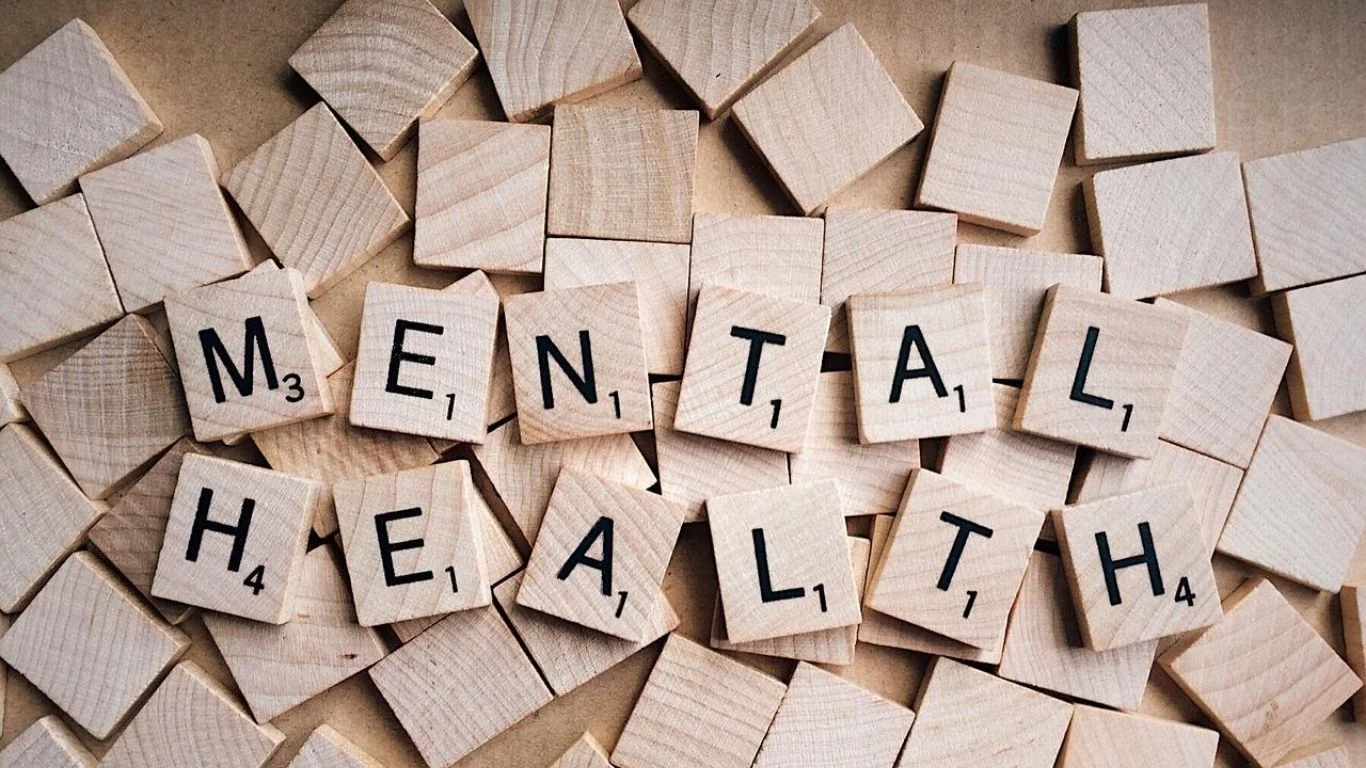

Life moves quickly, and many people become so focused on meeting responsibilities that they forget to care for their emotional health. Long working hours, family obligations, financial concerns, and digital distractions often leave little time for relaxation. Over time, this constant pressure can affect happiness, productivity, and overall quality of life. Choosing to prioritize mental wellness is one of the most valuable investments anyone can make because it creates a stronger foundation for every aspect of daily living.
The Connection Between Mind and Body
Mental and physical health are closely connected. When the mind experiences prolonged stress, the body often responds with fatigue, headaches, muscle tension, and difficulty sleeping. Likewise, poor physical health can influence mood, motivation, and emotional stability. Understanding this relationship encourages people to adopt habits that support both body and mind.
A balanced lifestyle includes proper nutrition, regular exercise, quality sleep, and opportunities for relaxation. These simple habits work together to improve emotional resilience while helping people face challenges with greater confidence. Developing consistency in daily routines makes it easier to maintain long-term well-being.
Creating Time for Self-Care
Self-care is often misunderstood as an occasional luxury, but it is actually an essential part of maintaining emotional health. Taking regular breaks, enjoying hobbies, reading, or spending quiet time alone allows the mind to recover from daily demands. Even small moments of relaxation can significantly improve overall mood.
Many individuals choose a mental health retreat when they feel overwhelmed by constant responsibilities. A peaceful setting provides the opportunity to disconnect from everyday distractions while focusing entirely on personal healing and emotional renewal.
Learning to Slow Down
Modern society encourages people to remain constantly busy, making it difficult to recognize the importance of rest. Slowing down does not mean giving up on goals. Instead, it creates the mental clarity needed to make thoughtful decisions and approach challenges with renewed energy.
Quiet moments encourage deeper reflection and allow people to appreciate experiences that are often overlooked during hectic schedules. Learning to pause and recharge supports both emotional and physical wellness.
Managing Stress in Healthy Ways
Stress is a natural part of life, but unhealthy responses can increase emotional exhaustion. Instead of ignoring difficult emotions, individuals benefit from learning positive coping strategies. Deep breathing exercises, walking outdoors, listening to calming music, and practicing gratitude all contribute to better stress management.
Healthy coping techniques become more effective through regular practice. Over time, these habits strengthen emotional resilience and reduce the impact of daily pressures. Small improvements made consistently often produce lasting results.
The Benefits of Professional Support
There are times when guidance from trained professionals becomes especially valuable. Therapists, counselors, and wellness coaches provide practical tools that help people better understand their emotions and develop healthier ways to manage difficult situations.
Participating in a mental health retreat often includes access to experienced professionals who encourage personal growth through individual sessions, group discussions, and guided wellness activities. Their support helps participants build confidence while developing realistic strategies for maintaining emotional health.
Building Emotional Awareness
Understanding emotions is an important step toward lasting well-being. Emotional awareness allows individuals to recognize stress before it becomes overwhelming and respond with healthier choices. Rather than reacting impulsively, people learn to pause, reflect, and communicate their feelings more effectively.
This greater awareness also improves relationships by encouraging empathy, patience, and respectful communication. Emotional intelligence becomes a valuable skill that benefits every area of life.
The Healing Power of Nature
Natural environments offer a unique sense of peace that is difficult to experience in busy cities. Walking through forests, relaxing beside lakes, or simply enjoying fresh air helps reduce stress while improving mental clarity. Nature encourages people to focus on the present moment rather than becoming consumed by endless responsibilities.
Many wellness programs include outdoor experiences because they support emotional recovery. Gentle physical activity combined with beautiful surroundings creates an atmosphere that encourages relaxation and self-discovery.
Spending time at a mental health retreat surrounded by natural beauty allows participants to reconnect with themselves while experiencing the calming effects of peaceful landscapes. These environments inspire reflection and provide space for meaningful personal growth.
Developing Positive Relationships
Healthy relationships play a major role in emotional wellness. Supportive friends and family members provide encouragement during difficult times while celebrating personal achievements. Strong connections create a sense of belonging that helps reduce feelings of loneliness and isolation.
Open communication strengthens trust and promotes understanding between people. Expressing emotions honestly while listening respectfully creates healthier interactions and deeper emotional connections. Positive relationships become a valuable source of strength during life’s challenges.
Maintaining Progress After Returning Home
Personal growth continues beyond any wellness experience. Lasting improvement depends on applying healthy habits in everyday life. Scheduling time for relaxation, maintaining balanced routines, and continuing mindfulness practices help preserve emotional stability over the long term.
Many individuals leave a mental health retreat feeling motivated to make lasting changes. They often begin prioritizing self-care, limiting unnecessary stress, and spending more time engaging in activities that support emotional wellness. These consistent efforts gradually become part of a healthier lifestyle.
Finding Balance Through Purpose
Living with purpose gives people motivation and direction. Understanding personal values helps individuals make choices that align with their goals instead of constantly responding to outside expectations. Setting realistic objectives creates a sense of accomplishment while encouraging continuous personal development.
A mental health retreat provides an environment where individuals can reflect on their priorities without daily distractions. This dedicated time often leads to valuable insights that inspire positive changes in both personal and professional life.
Conclusion
Emotional well-being is built through consistent habits, meaningful relationships, self-awareness, and intentional self-care. Taking time to rest and reflect allows people to regain balance while developing healthier responses to life’s challenges. Whether through daily wellness practices or participating in a mental health retreat, investing in emotional health creates lasting benefits that extend into every part of life. By embracing positive change and maintaining healthy routines, individuals can build resilience, strengthen their relationships, and enjoy a more fulfilling future.