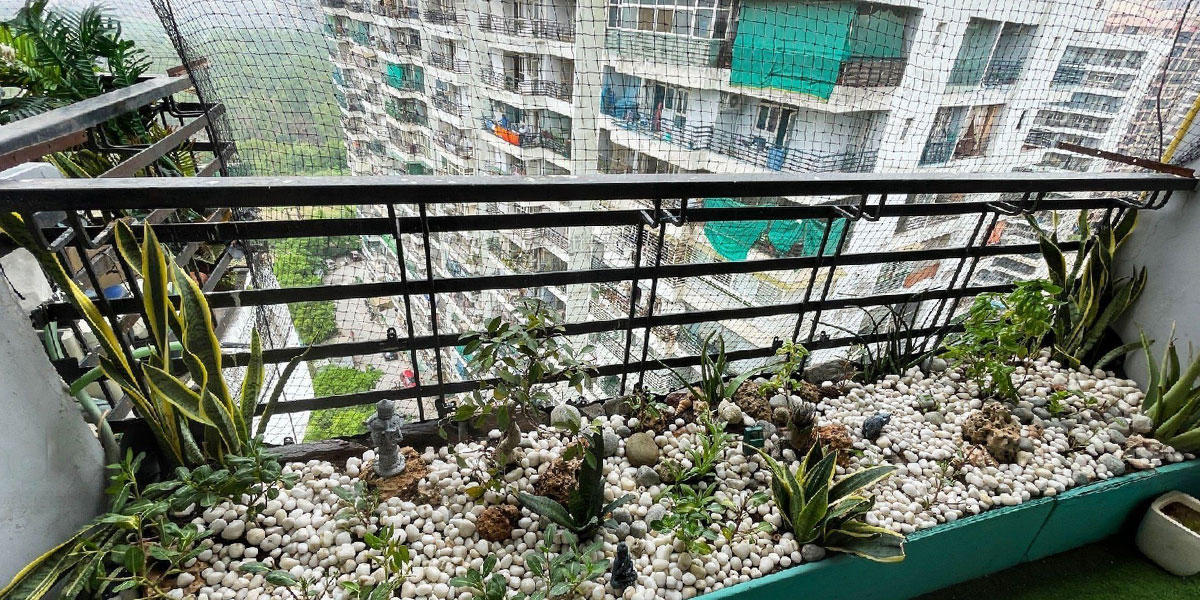

Introducting: The Increasing Urban Avian Problem
Cities around the globe, Dubai for instance, are facing an ever-increasing problem of human-bird conflicts, predominately with pigeons and crows. Our modern high-rise constructions, including apartments and offices, serve as excellent nesting and perching sites for these birds, particularly on balconies. The result is fouling, noise, nesting debris, and health concerns. Many people are now installing balcony safety net in dubai to mitigate the issue. This has led to the growing interest in the nets’ efficiency, design parameters, and their role in urban bird control.
Why Birds Infringe Balconies
Word capital and other offshore cities provide excellent nesting sites and perching places for birds owing to the softness and temperature in Dubai. In addition to that, modern balcony’s architecture aids by providing birds shelters from predators, winds, and rains along with food, and nesting sustenance. The accumulation of bird activity over time results in the relentless accumulation of bird droppings, loss of air-conditioning units, blockage of drainage, and damage to primary building structures. Research confirms that Cabo balconies register among the highest incidences of bird incursions supporting the need for netting as a countermeasure. Safety nets installation in dubai is very important.
Balcony Nets as a Physical Barrier
Unlike chemical deterrents, bird control nets operate on the principle of physically barring access. Evidence supports that nets function as a long-term, humane deterrent. Constructed from high-density polyethylene or nylon, the strands of these nets are woven in a manner that permits ventilation and light while excluding passage of birds. Since birds cannot perch or land, they are unable to access the area and will eventually leave. Longitudinal studies conducted in multiple cities show there is a sharp decline in pigeon visits within two weeks after proper net installation.
Determining Material Strength and Endurance
Research pertaining to balcony nets shows material choice significantly affects their performance. Rot-proof and UV-stabilized nets provide the most durability in sunny, windy, or coastal areas. These conditions are common in Dubai, where the intense heat and sand-laden winds quickly degrade inferior materials. Quality nets also pass tensile strength tests and do not succumb to tearing or sagging, which creates slow-entry points over time. Having professionally mounted balcony nets composed of high-grade materials suggests from building maintenance logs that these nets suffer minimal wear for over 5 years.
Mesh Size and Visibility
The effectiveness of netting is influenced by mesh size. Research suggests that for pigeons and birds of similar size, a netting with an opening of approximately 25-30 mm is most effective. Finer meshes can block smaller species, but they reduce airflow and visibility. Larger meshes, however, permit entry of birds, exposing them to the risk of entanglement, thus serving no netting purpose. Visibility is another concern as nets should be unobtrusive whilst maintaining functionality. Based on user satisfaction surveys, transparent or black nets appear to match different architectural styles best.
Impact on Bird Behavior and Habituation
A commonly raised concern is whether birds eventually adapt or find ways to circumvent nets. Evidence shows that physical exclusion devices, like nets, have much lower habituation rates than visually or acoustically repellant devices. Birds, as a general trend, tend to abandon areas completely when access is restricted for a prolonged time. On the other hand, decoys and scare devices tend to become ineffective after a few days or weeks, as birds know that no real danger exists. Hence, nets seem to provide behavioral change sustainably.
The Health and Sanitation Benefits of Using Netting
Bird droppings are not only aesthetically unappealing; they pose health risks as well, including histoplasmosis, cryptococcosis, and salmonella. Debris from nests has the potential to harbor secondary pests such as mites and other insects. Urban health research shows that people living in netted buildings show significant improvement in allergy and asthma symptoms. Maintenance teams also report a 60–80% reduction in cleaning and repair services which directly contributes to their health and economic costs, demonstrating the overarching benefits of net installation.
Legal and Ethical Aspects
Avian management today promotes ethical and humane treatment of birds. Balcony nets do not harm birds because they do not either allow entry or access. Environmental regulators approve netting as a compliant method of bird control under most wildlife protection laws. Well fitted nets do not allow birds to get caught in them, which protects against entanglement due to poorly constructed nets or worn out nets. Netting is preferred because it has been shown to be effective while acting as a humane deterrent.
User Feedback and Adoption Trends
Residents of high-rise apartments in Dubai, Mumbai, and other cities are increasingly adopting balcony nets, as underscored by surveys undertaken in these areas. The main motivations were reduced upkeep, improved cleanliness, and peace of mind. Reported satisfaction exceeded 80% within three months post installation. It is worth noting that professional fittings yield better results and DIY solutions often leave gaps at air conditioning units or at the corners of balconies that significantly undermine performance. Industry professionals suggest collaborating with trained fitters to provide comprehensive coverage for better outcomes.
Challenges and Limitations
Regardless of their functionality, balcony nets have significant shortcomings. Hazardous gaps from improper fittings pose structural risks in strong winds. Maintenance becomes particularly tedious in sandstorm-prone regions where dust is likely to settle on the netting. In addition, shared balconies or other architectural constraints may complicate netting installation, necessitating approval or collaboration with the neighboring units’ residents in advance. Researchers recommend analyzing structural compatibility, primary anchoring points, prevailing weather conditions, and surrounding topography prior to making netting the primary deterrent for birds.
Integration with Other Bird Control Strategies
While nets have a very high effectiveness rate, additional strategies can be implemented for better results. Along with netting, placing bird spikes on ledges, using temporary visual deterrents during nesting seasons, and proper balcony cleaning routines improve netting efficacy. Integrated pest management (IPM) systems actively employ multiple strategies—structural modifications such as nets combined with changes to the environment and modifications to behavior.
Conclusion: A Scientifically Supported Solution
Research conducted in heavily populated avian cities confirms that balcony nets are the most effective, kindest, and easiest to maintain tools available to prevent birds from intruding. If properly fitted to the structure, paying attention to materials used, mesh size, and structural integration, they provide long-term relief from feces, nesting, and noise. Their health benefits, added improved sanitation, and lower maintenance costs further emphasizes their importance. With increasing urban population and building height, balcony netting will remain a fundamental element in responsible and research-informed bird management in contemporary household settings.