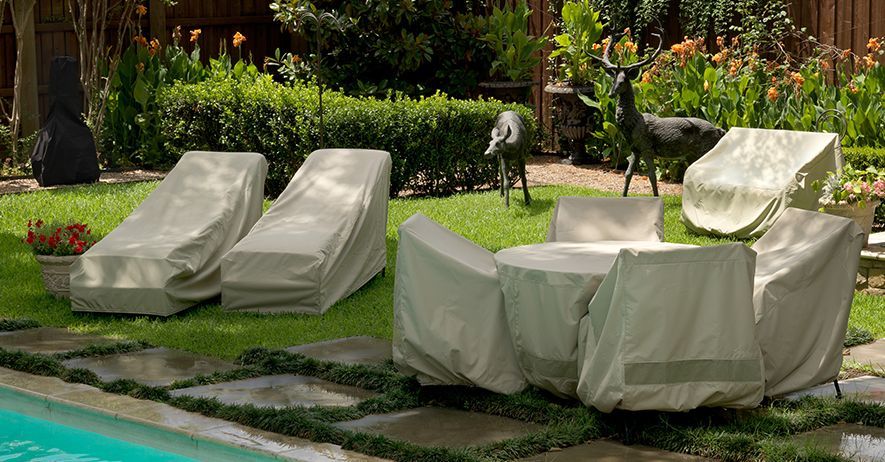

Introduction: The Importance of Protecting the Outdoors Sustainably
Consumers are now opting for eco-friendly options in all aspects of living, including outdoor accessories, due to climate change and environmental preservation concerns. Garden furniture is often exposed to rain, sun, and wind, which may require proper protection to maintain its aesthetic value and prolong its life. Eco-friendly waterproof patio furniture covers serve as an environmental and functional shield, as they protect the furniture while minimizing ecological consequences.
Environmental Issues with Conventional Covers
Cheap outdoor furniture covers often use polyvinyl chloride (PVC), which is poorly manufactured and hard to recycle. These materials are prone to degrading under the sun’s UV rays, resulting in harmful emissions. Moreover, these covers contribute toward landfill waste. Traditional waterproofing agents may also use PFCs or perfluorochemicals, which are known to be detrimental to both the environment and human life. These types of materials are diametrically opposed to sustainable living.
What Makes a Cover Eco-Conscious?
An eco-friendly outer covering for garden furniture should be constructed from reclaimed or sustainably sourced materials, carry non-toxic waterproof coatings, and possess structural integrity that minimizes waste. Leading contenders include recycled polyester, organic cotton shielded with eco-friendly waterproof treatments, or bioplastics derived from plant materials. Moreover, covers bearing logos from certifying bodies such as OEKO-TEX®, GRS (Global Recycled Standard), and Bluesign® are known to meet rigorous environmental health cradle-to-grave standards and would ensure the covers are designed and manufactured to stringent environmental and health standards during their entire life cycle.
Giving Plastics a Second Life
The use of PET (polyethylene terephthalate) plastic bottles for high-quality polyester fabric production has become common practice among many manufacturers. These polyester fabrics designed for outdoor use boast water-repellency, strength, long-lasting UV protection, and excellent appearance. The production of these covers also aids in eliminating plastic pollution borne out of storage facilities and oceans. Research indicates that the process of producing recycled polyester leads to 59% more efficiency in energy utilization as compared to virgin polyester while also emitting less greenhouse gasses. For eco-conscious consumers, this is a no-brainer.
Durability as an Indicator of Sustainability
A product’s sustainability is often defined by its longevity. In the case of a cover, long endurance reduces the need for costly replacements. It also lowers the raw materials and energy needed for shipping and manufacturing the products. Weather-resistant, tear-proof, and UV-coated fabrics ensure the cover endures extreme weather, guaranteeing high quality stitching. Although investing in durable covers seems more expensive initially, the environmental impact and financial burden over time is significantly lower.
Non-Toxic Waterproofing Technologies
Traditional waterproofing treatments often involve the use of hazardous materials such as phthalates and PFCs. Fortunately, greener alternatives are available. Wax-based coatings, silicone treatments, and bio-based polyurethane formulations offer water resistance without the harmful side effects. These coatings waterproof the furniture-making materials while providing protection from rain and humidity, thus conforming to the global environmental safety standards. When shopping for eco-friendly covers, look for labels stating waterproofing PFC-free or non-toxic waterproofing.
Breathability and Mold Prevention
Eco-conscious waterproof covers should also consider breathability features. Without proper airflow, covers can trap moisture, which leads to mildew and mold growth, causing the cover and furniture to become unusable and necessitating premature disposal. Sustainable covers often incorporate vents or breathable membranes that allow moisture to escape while preventing the entrance of water. This not only improves the durability of the cover but also keeps the furniture clean and dry, reducing the need for chemical cleaners.
Achieving Optimal Performance: Key Design Aspects
The design of an eco-friendly cover should be as functional as it is sustainable. A snug and secure fit helps to avoid water pooling, wind displacement, and other weather-related damage to both the cover and the furniture. Look for features such as elastic hems, reinforced corners, and adjustable buckle straps. Some manufacturers provide modular or multi-purpose covers that can be used across seasons or folded compactly to minimize storage space, material usage, and waste.
Trustable Credentials and External Standards
For waterproof covers, certifications demonstrate trust and transparency for eco-conscious consumers. The Global Recycled Standard (GRS) validates that materials used are recycled and processed appropriately. Textiles are granted OEKO-TEX® Standard 100 if they are free from harmful substances. Bluesign® certification guarantees responsible workplace practices across the supply chain. These certifications are useful for environmentally responsible purchasers who seek to balance performance, eco-friendliness, and informed decision-making.
Promoting Socially Responsible and Transparent Brands
The ethical and social considerations of manufacturers are equally important as that of the product itself. Typically ethical manufacturers outline their materials, sourcing, and workforce policies. Many sustainable brands incorporate fair trade and local production policies to minimize their carbon footprint. Supporting such brands further amplifies the positive impact of your purchase by fostering innovation and sustainable business practices throughout the industry.
Pricing Factors and the Value Over Time
While eco-friendly covers may be more expensive than non-sustainable alternatives, their value increases over time. Covers that are eco-friendly are made using durable, chemical-free materials and are low-maintenance; therefore, they reduce the frequency of replacement, cleaning, and purchase. Additionally, the long-lasting aesthetic appeal of these products ensures that you do not have to compromise on design when choosing a green product. A single high-quality sustainable cover can save more money—and waste—over a 5-year period than multiple cheap alternatives.
Final Thoughts: Deliberate Decisions for a More Sustainable Environment
Selecting an eco-friendly waterproof cover for garden furniture represents a small but significant action towards sustainable living. It shows dedication not just toward shielding your outdoor investment but also toward minimizing your carbon footprint. Given the recent advancements in hybrid functional sustainability that integrates protective weather features alongside eco-conscious innovation, there is no need to compromise on product selection. Sustainable furniture covers enable homeowners to maintain stylish and ready-for-weather outdoor furniture while actively participating in fostering a sustainable and clean environment.